Introducing the Recess Expert Series: A Conversation with Dr. Mona Amin

At Recess, we know that choosing camps, classes, and activities for your child is about so much more than filling a schedule. It’s about supporting their development, honoring their unique temperament, and creating space for them to explore, grow, and simply be kids.
That’s why we’re thrilled to launch the Recess Expert Series – a collection of conversations with trusted voices who bring evidence-based guidance to the everyday decisions parents face. And we couldn’t think of a better founding expert voice than Dr. Mona Amin.

Dr. Mona is a board-certified pediatrician, parenting educator, and the voice behind PedsDocTalk, where she reaches over 2 million parents with compassionate, research-backed guidance on child development, health, and parenting. She’s also the Chief Medical Officer at Poppins, a pediatric parenting and telehealth platform, and is currently working on a book, a children’s television show, and other incredible projects that support families.
What makes Dr. Mona the perfect partner for Recess? She understands that healthy childhood foundations aren’t just built in the doctor’s office – they’re built through play, exploration, movement, and the everyday experiences that shape how children see themselves and the world around them. Her expertise bridges pediatric medicine and child development in a way that helps parents make informed, confident choices about camps and activities.
In this Q&A, Dr. Mona shares her insights on developmental readiness, the role of movement and play in children’s health, how to choose activities that match your child’s temperament, and why protecting downtime is just as important as signing up for that next class.
Meet Dr. Mona

You’re a board-certified pediatrician, parenting educator, and the voice behind PedsDocTalk. Can you tell us what led you to pediatrics – and what inspired you to become such a trusted resource for parents beyond the exam room?
I was always drawn to pediatrics because I love the connection that happens in those early years between a child, their caregivers, and their doctor. I’ve always felt healthy foundations begin in childhood by nurturing a healthy relationship with sleep, food, body image, feelings, and self-worth. One of my favorite parts of pediatrics has always been child development – understanding the why behind children’s behaviors, emotions, and milestones. When parents understand why their child is acting a certain way, it often brings so much perspective and relief.
PedsDocTalk really grew out of two things I was feeling at the time: burnout and concern. I was seeing 35-40 patients a day and felt the pressure of a system that didn’t always leave enough time for education or deeper conversations with families. At the same time, I noticed many of the questions parents had weren’t necessarily about illness. They were about sleep struggles, tantrums, boundaries, power struggles, and everyday parenting moments that felt confusing or overwhelming. I wanted a space where I could share evidence-based and experience-based guidance in a way that felt approachable and supportive. What started as a small platform to educate has grown into a community of over 2 million people where caregivers can learn, feel reassured, and hopefully leave feeling a little less alone in the process.
What does your work look like day-to-day? How do you balance clinical practice with educating millions of parents online?
My day-to-day looks very different than it did when I first started my career. Earlier on, I was working full-time in clinic, seeing anywhere from 25-40 patients a day depending on the practice I was working at. I loved connecting with families, but the pace was intense and burnout was creeping in only 4 years out of residency. As PedsDocTalk began to grow, I slowly shifted how I structured my work so I could continue practicing medicine while also expanding education beyond the exam room. In this way, my expertise has reached millions instead of hundreds and I consider that incredibly powerful.
Today I serve as the Chief Medical Officer at Poppins – a pediatric parenting and telehealth platform, where I help oversee clinical direction and staff while also seeing patients virtually once a week. It’s allowed me to enter a new role of helping build a startup by seeing patients in a different medium – solely online.
The rest of my time is spent creating educational content and resources that address the questions and concerns parents share with me every day. I’m also in the process of writing a book, producing a kid’s television show, and working on other incredible projects.
I still listen closely to what parents are asking, whether that’s through virtual patient visits, DMs, or community conversations. The difference now is that instead of answering one family at a time, I’m able to reach many more parents with the same guidance and reassurance.
What’s the most common question or concern you hear from parents – whether in your office or in your DMs?
One of the most common themes I hear from parents is some version of: “Am I doing this right?” or “How do I handle this?” Sometimes it’s a health concern, like a fever that won’t go down, a lingering cough, a rash that suddenly appeared, or a baby who seems congested all the time. Other times it’s everyday parenting challenges like potty training, a toddler hitting, a child refusing to sleep in their bed, or big emotional outbursts.
What I find is that parents are rarely just asking for information. They’re asking for guidance. They want to know what this behavior or symptom means, whether it’s normal, and what their next step should be in that moment.
Parenting today also comes with an overwhelming amount of information and opinions, especially online. Many parents are trying to sort through conflicting advice while also trying to trust their own judgment. A big part of my role is helping bring clarity to that noise.
I want parents to have evidence-based information, but also the reassurance that there isn’t one rigid way to raise a healthy, happy child. Often what parents need most is context, understanding how children develop, why certain behaviors happen, and recognizing that every child and every family is different.
We may hear certain ways to approach sleep, discipline, routines, or illness. But the real goal is helping parents adapt those tools in a way that works for their child and their family.
What Camps And Activities Actually Do For Your Child’s Development
From a developmental perspective, what role do camps, activities, and unstructured play have in a child’s growth? Why does it matter that kids do more than just school?
Children grow through experiences, not just academics. Camps, activities, and unstructured play each support development in different ways, and the real benefit comes from the balance between them. Unstructured play is especially important because it gives children space to think, create, and solve problems on their own. When kids build a game with friends, explore outside, or use their imagination, they practice creativity, social negotiation, and independence. They learn how to handle boredom, work through disagreements, and come up with their own ideas. Those are skills that don’t develop as easily when every moment is directed by an adult.
At the same time, structured experiences like camps, sports, or classes also play an important role. They introduce children to teamwork, listening to other adults, trying new skills, and working through challenges in a supportive setting.
What’s interesting about places like camp is that they often blend both structure and freedom. There’s a routine to the day, maybe swim time, arts and crafts, or group games, but within that structure kids still have room to explore, play, and interact with peers in a more relaxed way.
That balance matters. Children benefit from routines that provide predictability, but they also need space to play, imagine, and figure things out without constant direction. When kids experience both, they build confidence, resilience, and social skills that support their growth far beyond the classroom.
How do movement, outdoor play, and physical activities impact kids’ emotional regulation and overall health? What do you see in your practice when kids aren’t getting enough of this?
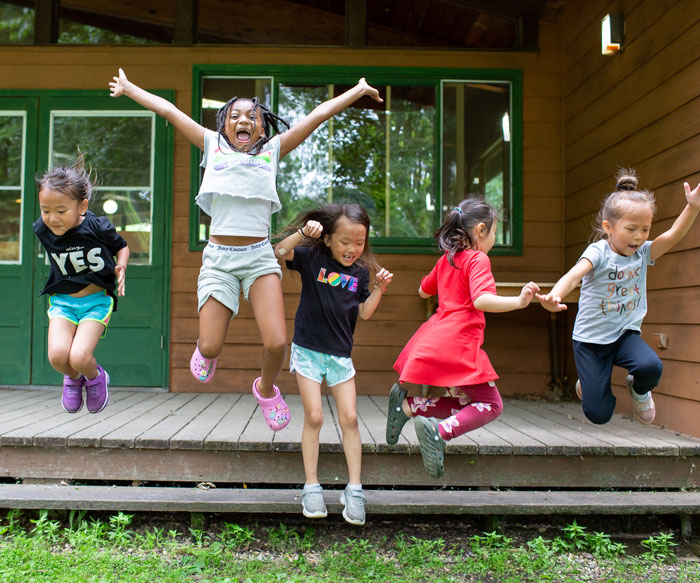
Movement plays a powerful role in how children regulate their bodies and emotions. When kids run, climb, jump, and play outdoors, they are not just burning energy. They are helping their brains organize sensory input, regulate stress, and strengthen the connection between body and mind.
Physical activity also supports the nervous system. Movement helps release stress hormones and supports chemicals in the brain that influence mood, attention, and self-control. That is why many children are able to focus better, cooperate more easily, and handle frustration better after they have had time to move their bodies.
Outdoor play adds another important layer. Being outside exposes children to natural light, fresh air, and a variety of environments that challenge their balance, coordination, and confidence. Activities like climbing, digging, running, and exploring also support immune health, because regular physical activity, sunlight, and time outdoors are all associated with stronger immune function and overall well-being.
In my practice, when children are not getting enough movement or outdoor play, we sometimes see ripple effects. Some kids have a harder time focusing, regulating emotions, or settling down for sleep. Parents may notice more restlessness, irritability, or conflict at home. I also sometimes see a shift toward more sedentary indoor activities, especially screens. Over time that can contribute to concerns like reduced physical activity, higher risk for obesity, impacts on sleep, and even vision strain from prolonged close screen use.
That said, I always look at the entire lifestyle picture. Sleep habits, nutrition, screen exposure, family routines, and opportunities for movement all interact with each other. Movement is not a cure-all, but it is one of the most powerful and accessible supports we have for children’s physical health, emotional regulation, and overall development.
Even simple things like playing outside after school, going to the park, riding bikes, or taking a family walk can help reset the tone of the day and support a child’s overall health.
At what age or stage do you typically see kids ready for organized sports or structured activities? What should parents look for to know their child is developmentally prepared?

Rather than focusing strictly on age, I encourage parents to look at readiness cues. Many children begin enjoying simple organized activities around preschool or early elementary age, but what matters most is whether the child can participate in a group setting and follow simple directions.
Parents can look for signs like being able to listen to a coach or instructor, take turns, tolerate short periods of waiting, and show interest in the activity itself. Attention span is also important. If a child can stay engaged for short periods without becoming overly frustrated, that often signals they are ready to participate in a structured activity.
Motor development plays a role as well. Many organized sports require coordination skills like running, jumping, balancing, and catching. Children who have had plenty of time for free play often build these foundational movement skills naturally, which helps them feel more confident when they try organized activities.
Emotional readiness matters just as much as physical ability. Children should be able to tolerate small frustrations, like missing a ball or losing a game, without feeling overwhelmed. Learning to manage those moments is part of the developmental benefit of sports, but the environment should still feel supportive and fun.
It’s also important for parents to consider their child’s temperament and how their brain works. Children are not one size fits all. For example, a child with ADHD may thrive in activities with constant movement like martial arts, gymnastics, or soccer, where their energy can be an asset. Other children may prefer activities that are more individual and less chaotic, like swimming, dance, climbing, or track. Some kids love team environments, while others feel more comfortable building confidence in solo activities first.
At younger ages especially, the goal should not be competition or performance. It should be about having fun, learning new skills, and building a positive relationship with movement and peers. Many experts also encourage children to try a variety of activities rather than specializing too early, since this helps build broader motor skills and prevents burnout.
Some children thrive with structured activities early on, while others need more time with free play first. Both paths are completely normal. The key is helping each child find activities that match their interests, temperament, and developmental readiness so that movement stays positive and enjoyable.
Every child develops at their own pace. How can parents use camps and activities to support their child’s unique developmental journey rather than comparing them to other kids?
It’s very easy for parents to fall into comparison, especially when we’re surrounded by other families whose children may seem more outgoing, athletic, or confident. But development is not a race, and children grow into their strengths at different times.
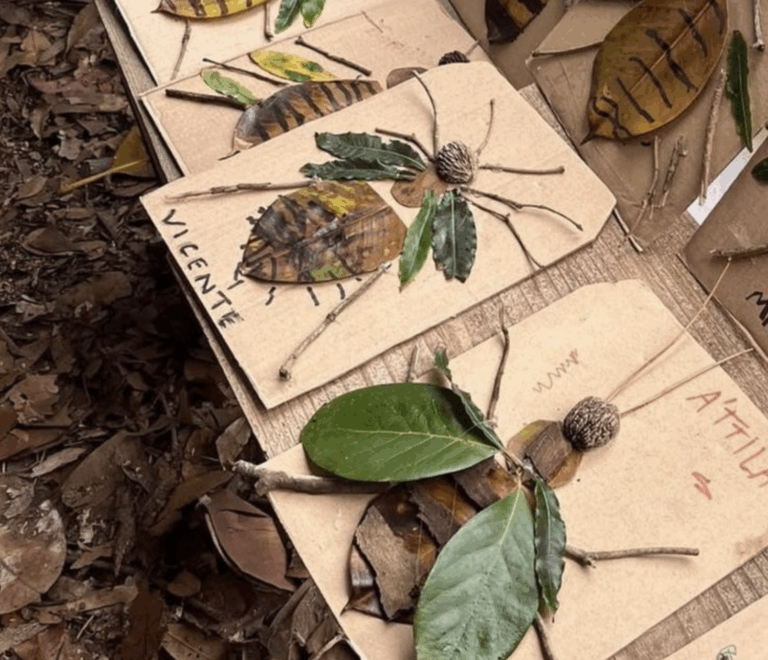
Instead of asking “What are other kids doing?” it can be more helpful to ask “What seems to light my child up?” Some children thrive in team sports, others in creative activities, nature camps, robotics, music, or smaller group experiences. The goal is to create opportunities where a child can explore their own interests, build confidence, and feel capable.
At the same time, I do have a growing concern that some children are being placed in too many activities. Often the intention is good. Parents want their kids to be active, social, learning new skills, and sometimes simply out of the house and engaged. But activities can also come with costs, not just financially, but in time, energy, and stress for both children and families.
Children also need downtime. They need evenings during the week that are not completely taken over by practices, classes, and structured commitments. Evenings just with their primary caregivers and siblings. Especially for school-age children who already spend much of the day in structured environments, that unstructured time at home is important for rest, creativity, family connection, and emotional regulation.
When adding activities, it helps to build gradually and pay attention to how your child is responding. Can they handle the activity along with school, homework, sleep, and family time? Do they still seem excited about it, or are they showing signs of fatigue or stress? Overscheduling is something we’re seeing more often, and it can take away from the joy these activities are supposed to bring.
When you choose activities with your child’s temperament, interests, and overall capacity in mind, they’re much more likely to feel supportive rather than overwhelming. The goal isn’t to fill every hour, but to create experiences that help your child grow while still protecting time to rest and just be a kid.
Why Play Isn’t “extra” – It’s Essential

As a pediatrician, what do you wish more parents understood about how play, exploration, and trying new things contribute to their child’s long-term health and wellbeing?
Play is often seen as something extra, but it’s actually one of the most important ways children learn and grow. Through play, children practice problem-solving, creativity, social skills, and emotional regulation. When they climb, build, pretend, explore nature, or try something new, they are developing skills that support both their physical health and their emotional well-being.
One thing I often remind parents is that play is also a form of communication for children. Kids don’t usually walk up and say, “Mom, I want to talk about my feelings.” More often they say, “Will you play with me?” That invitation to play is often their way of connecting, sharing their world, and processing what they’re experiencing. When parents join their child in play, they’re not just passing time. They’re building connection and trust.
From a developmental perspective, play is one of the primary ways the brain grows. It strengthens problem-solving, creativity, and critical thinking. Social play teaches children how to cooperate, negotiate, and manage conflict. Pretend play builds language and imagination, which later support reading and communication skills. Active play strengthens coordination, balance, and overall physical health.
Play also gives children something incredibly important: a sense of agency. When kids have time for unstructured play, they get to make decisions, test ideas, and explore their environment. That helps build confidence and independence.
So while play may look simple from the outside, it’s actually doing very complex work in the brain and body. It’s helping children build the cognitive, social, emotional, and physical foundations that support long-term health and well-being.
You’re joining Recess as a founding expert voice. What excites you about this partnership, and what do you hope to bring to the Recess community of parents?
It’s actually funny, because before I even heard about Recess through their founders, I was having this exact conversation at home. I remember telling my husband, “Why is it so hard to find something like a robotics camp for our son in our area?” I kept thinking there should be some kind of database where parents could easily see what activities and camps are available nearby.
So when I learned about Recess, I had one of those moments where I thought, “Wait, this is exactly what I was wishing existed.”
What I really like about the platform is that it brings a lot of convenience to something that can otherwise feel overwhelming. Parents are trying to compare options, figure out what fits their child’s interests, their schedule, and their family life. Having a place where you can see and compare those opportunities in one space makes that process much easier.
I also appreciate that it doesn’t just focus on listing activities. It brings in a developmental lens, which I think many parents are really looking for guidance on. As a pediatrician and through my work with PedsDocTalk, what I hope to bring to the Recess community is that perspective, helping parents think about readiness, temperament, and how different activities can support a child’s growth.
My goal is to help families make choices that support their child’s development while also keeping childhood joyful and balanced.
What do you want parents to know as they navigate choosing camps, classes, and activities for their kids? Any guiding principles you share with families in your practice?
One of the biggest things I remind parents is that more isn’t always better. Children don’t need a packed schedule to grow and thrive. In fact, having time for free play, rest, and family connection is just as important as structured activities. Kids spend a large portion of their day in structured environments at school already, so protecting downtime in the evenings and weekends really matters for their emotional regulation and overall well-being.
When choosing camps or classes, I encourage parents to focus on a few simple questions: Does this interest my child? Does it match their developmental readiness? And does it still leave space in our family life for rest and connection?
It’s also important to think about your child’s temperament and how they’re wired. Some kids thrive in busy team environments, while others do better in smaller groups or more individual activities. Children who are highly energetic or have ADHD, for example, may do really well in movement-based activities like martial arts, gymnastics, or soccer, while other kids may gravitate toward art, robotics, music, or nature-based programs.
Another guiding principle I share with parents is that the goal of activities in childhood isn’t mastery. It’s exposure. Kids benefit from trying different things, discovering what they enjoy, and building confidence in being a beginner.
And finally, pay attention to how your child responds. If they’re excited to go, talking about what they learned, and still have energy for the rest of life, that’s usually a good sign the balance is working. If they’re constantly exhausted, stressed, or resistant, that may be a signal to scale back.
Childhood shouldn’t feel like a performance schedule. The goal is to create opportunities that help kids explore their interests while still protecting time to rest, play, and simply be kids.
Connecting With Dr. Mona

Dr. Mona’s perspective reminds us that the best decisions we make for our children are the ones rooted in understanding who they are, what they need, and what brings them joy.
This is just the beginning of our partnership with Dr. Mona. Over the coming months, she’ll be sharing more insights on topics like summer camp preparation, supporting kids with different needs, teaching resilience, and navigating the everyday questions parents face when choosing activities for their children.
Want to learn more from Dr. Mona? Follow her work:
- Instagram: @PedsDocTalk
- Podcast: PedsDocTalk Podcast (available on all major platforms)
- Website: PedsDocTalk.com
And as always, explore camps and activities that match your child’s unique interests and developmental stage right here on Recess.