What Activities Should My Child Be In? A Complete Guide by Age (0–12)
By Amy Kiska, Co-Founder & CEO of Recess | 9-min read
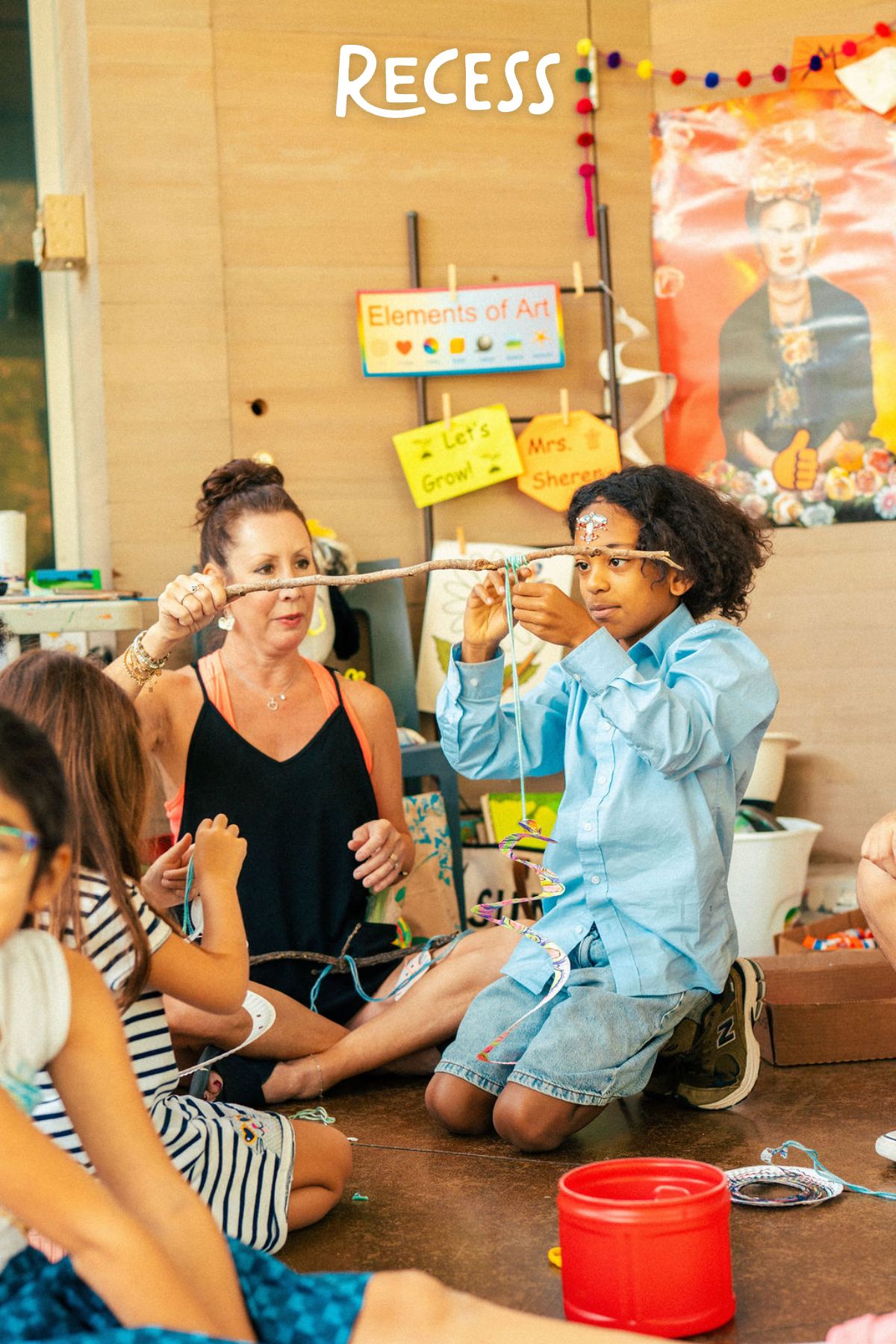
| The best activities for your child depend on their age and stage. Ages 1–4 do best with sensory play — music, water and swim, movement, and art. Ages 5–10 are the ideal window to sample sports, arts, STEM, a second language, dance, and chess. By age 10+, kids are ready to go deeper into what they’ve chosen. A few things have real timing behind them: swim lessons can start around age 1, a second language is easiest before age 10, and formal sports and dance technique tend to click around ages 6–8. At every age, the rule holds: exploration first, mastery second — and variety beats early specialization. |
If you’re a new parent, or you’re getting your kids into activities for the first time in general — this guide is for you.
I’m Amy, co-founder of Recess and mom to a toddler, and I’m living these exact questions right now: where do I even start? What age can she start swim? Is she ready for music? Is a gymnastics class a real thing for someone who just learned to run?
My co-founder Molly is a few years ahead of me, deep in the elementary years — the afterschool gaps, the constant days off, the scheduling Tetris. Between the two of us we’re living almost every stage of the kids’ enrichment journey, which is a big part of why we built Recess: a place to actually find and book kids’ classes and camps without 12 open browser tabs.
But listings only get you so far. So we also launched the Recess Expert Series with Dr. Mona Amin (PedsDocTalk), a board-certified pediatrician who reaches millions of parents, to bring a real developmental lens to these decisions: readiness, temperament, and how to spot what actually lights your child up. (Fun fact: before she’d ever heard of us, Dr. Mona was asking her own husband why there wasn’t one single place to find activities for her kids. Now she’s helping us build it!)
The biggest thing she taught me: watch what your child gravitates toward, instead of deciding for them. Molly gave my daughter Maya a musical Nutcracker book, and every time it plays, she twirls around the living room like she’s on a stage, so I enrolled her in her baby music classes early on, and she’s about to start toddler dance classes.
That’s what this guide is really about. Not a checklist of what your kid “should” do, but how to keep the door open at every age — grounded in what pediatricians and child-development experts actually recommend. Here’s what that looks like.
A Few Principles That Apply at Every Age
| Across every age, children benefit most from variety, low pressure, and exploration — not early specialization. Research consistently links a diverse range of activities to lower burnout and stronger long-term skills. |
Before we go age by age, a few things hold true no matter how old your child is. Child-development experts are clear that a mix of activities does more good than intense focus on any one — variety helps kids build a wider range of skills and protects against burnout. Here are a few guidelines to keep in mind:
- Follow their energy, not your expectations.
- Give each activity about 4 sessions before calling it a miss — first-day jitters are real.
- Protect free time. Downtime and unstructured play aren’t the opposite of enrichment; they’re part of it.
- Exposure is everything. Kids can’t fall in love with something they’ve never tried.
What Activities Are Best for Toddlers? (Ages 1–4)
| The best activities for toddlers ages 1–4 are low-stakes, sensory, and play-driven: music and movement, swim, open art, and intro tumbling. Two things are worth starting early — swim lessons (which the AAP says can begin around age 1) and exposure to a second language (easiest in these years). Before about age 6, most children aren’t ready for organized sports, so this stage is about exploration, not skill-building. |
What are toddlers learning from activities?
Toddlers and preschoolers learn through sensory play and imitation — not instruction. The American Academy of Pediatrics notes that before around age 6, most children haven’t developed the balance, attention span, or object-tracking that organized sports require. Instead, the AAP points parents toward basic movement: running, swimming, tumbling, throwing, and catching, learned through active play. Source: AAP, Is Your Child Ready for Sports?. Two things are worth starting now.
First, swim. The AAP recommends swim lessons as a layer of drowning protection that can begin for many children around age 1 (though not under 12 months). It’s more than a hobby: drowning is the leading cause of death for kids ages 1–4. Source: AAP, Swim Lessons: When to Start.
Second, language. If a second language is anywhere in your family’s future, the toddler years are the time to start exposing them — there’s a well-documented window for language learning, and early exposure builds accent-free pronunciation that’s hard to match later. It’s the same idea for music: informal exposure — singing, swaying, musical games — can start in infancy, with parent-child classes suiting around age 3. Sources: MIT; PBS Kids.
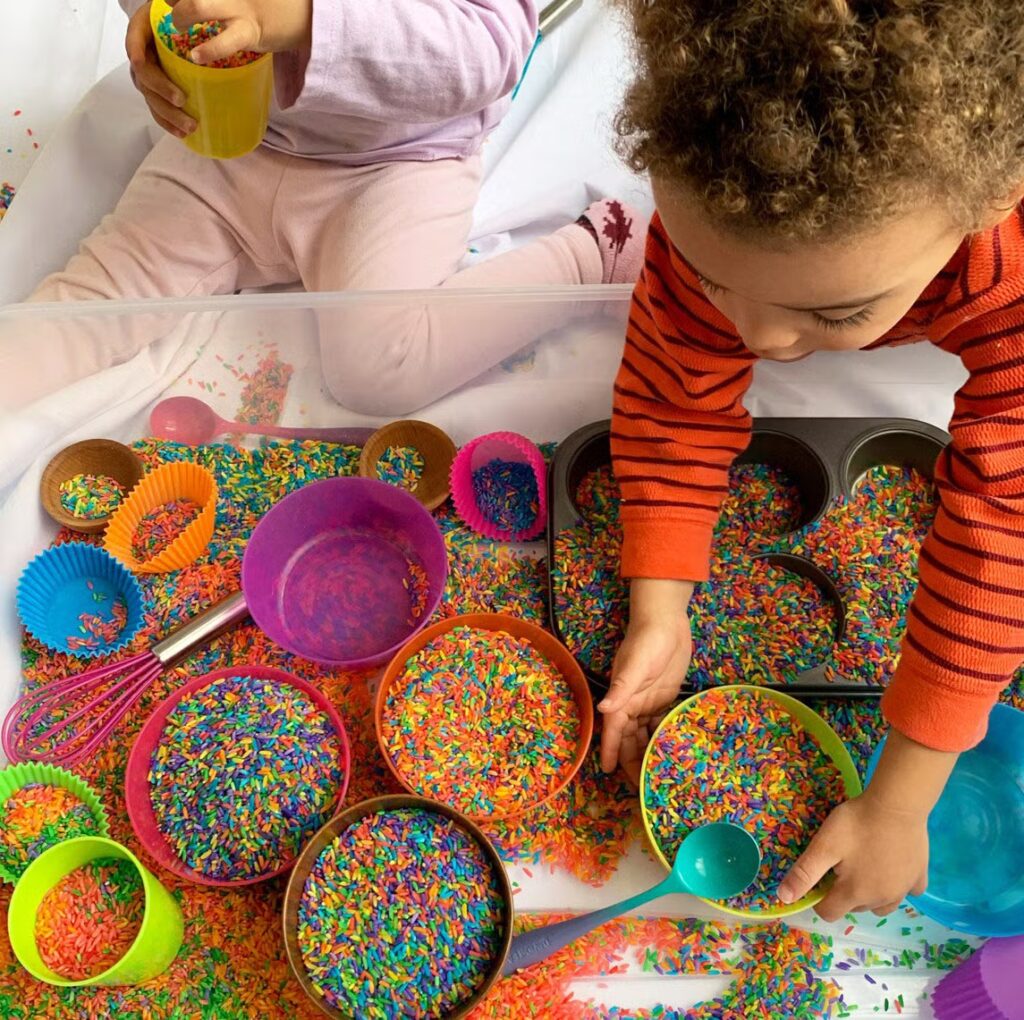
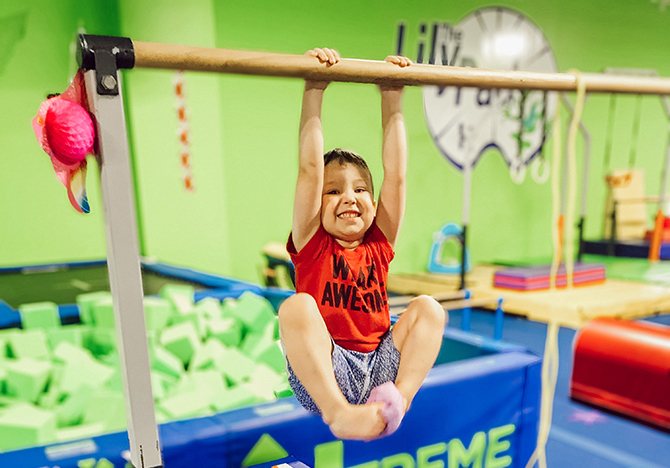
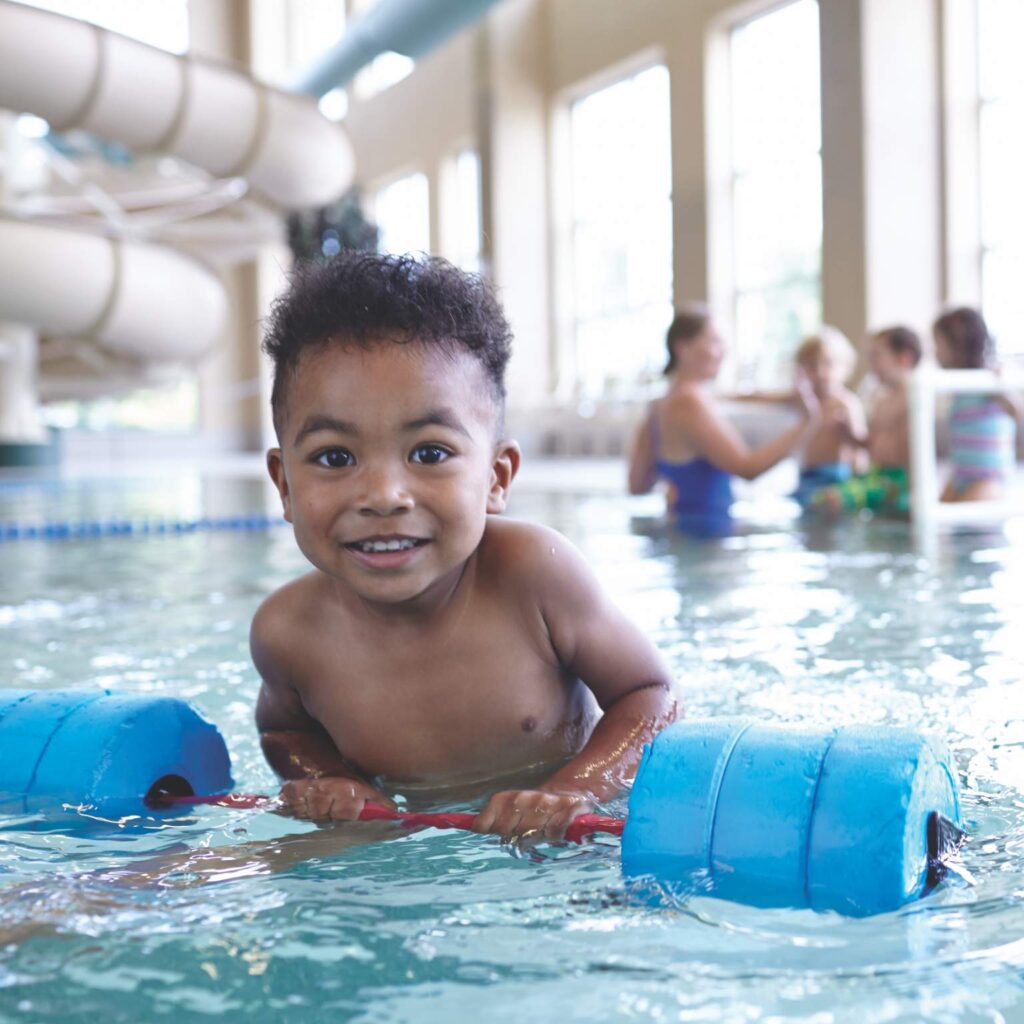
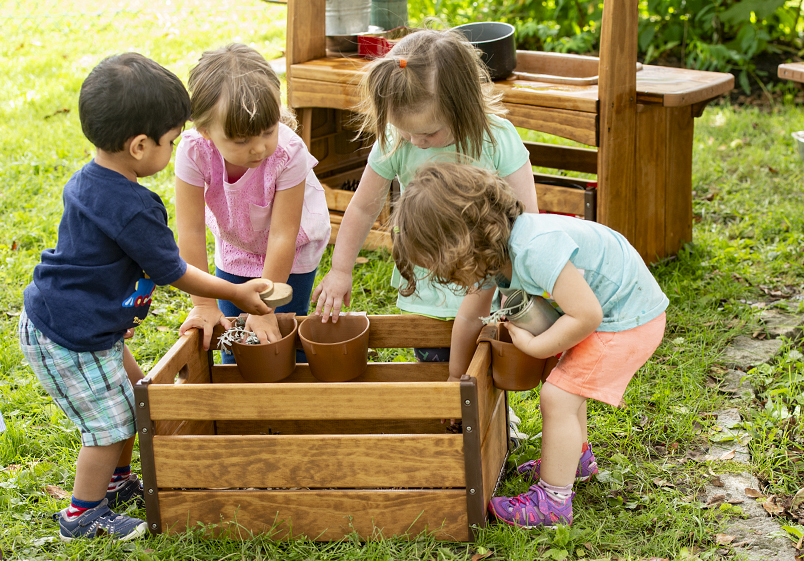
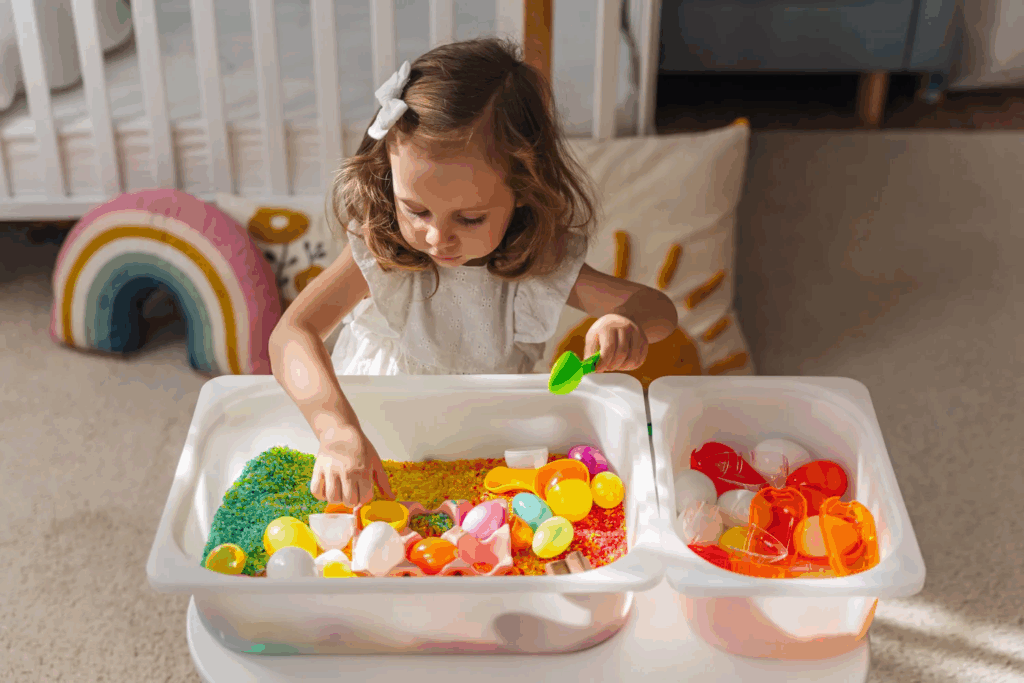
| Great activity types for ages 1–4: • Swim / water-familiarity lessons (a safety skill and a sensory delight) • Music & movement classes (the earlier the better) • A second language — through exposure, songs, and play • Open-ended art with no “right” outcome • Intro gymnastics or tumbling; nature play and gardening • Baby & toddler yoga |
| Skip for now: • Organized team sports with rules and scorekeeping • Anything built around a recital, competition, or performance • Formal instrument or technique training |
Explore Toddler Activities Near You
Browse music, swim, art, and movement classes for ages 1–4 on Recess.
What Activities Should Elementary-Age Kids Be In? (Ages 5–10)
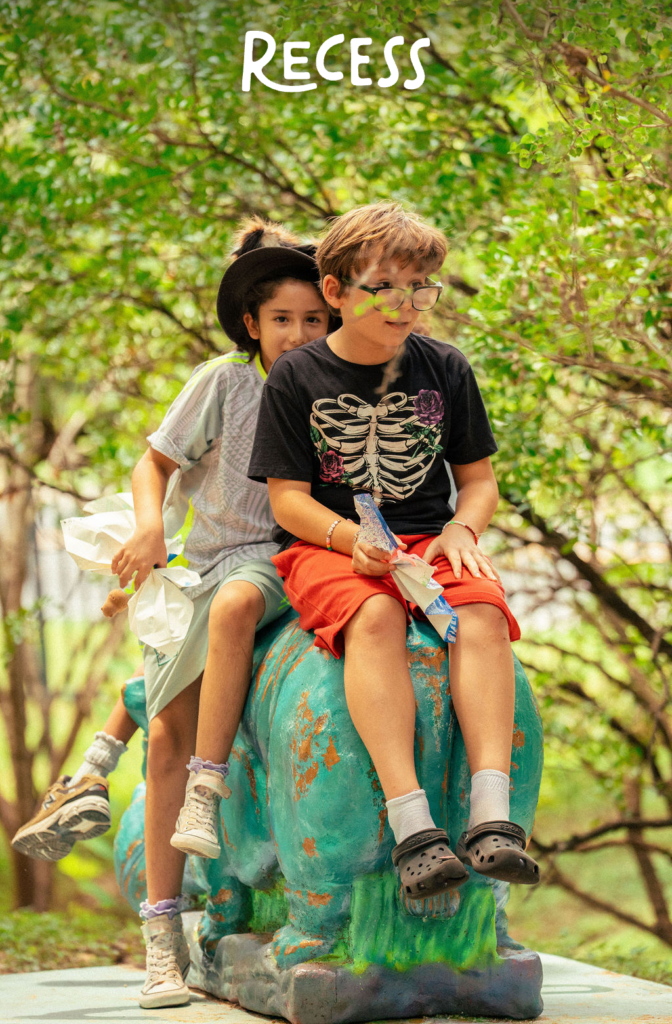
| Ages 5–10 are the golden window for exploration. By age 6, most kids have the motor skills for simple organized sports — soccer, swimming, tennis, gymnastics, martial arts — when the format is modified for their age. It’s also the ideal time to begin formal music lessons, formal dance technique (around 8–10), chess (most kids are ready at 7–8), and a second language before the age-10 fluency window narrows. |
Why are ages 5-10 so important for activity exploration?
Kids ages 5–10 are eager, open, and not yet self-conscious — so they’ll try almost anything if it feels fun and low-stakes. They’re also old enough to tell you what they actually enjoy.
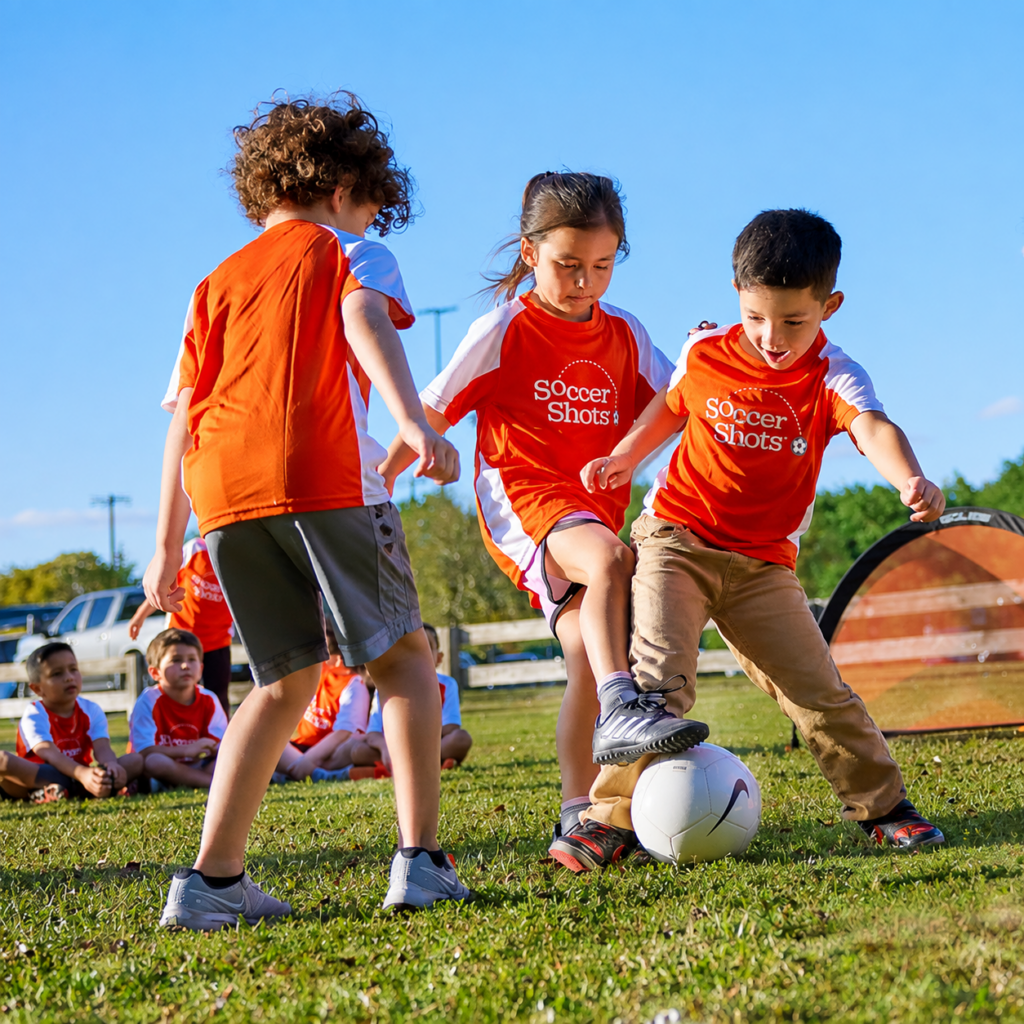
This is when organized sports click into place. The AAP notes that by age 6, most children have the basic motor skills for simple team sports, though they still do best with modified rules and equipment — smaller balls and fields, shorter games, and a focus on skills over score. Good early options include soccer, swimming, tennis, gymnastics, and martial arts. Source: AAP.
A few other activities have real timing behind them, and this is their window:
- A second language. Research points to a critical window from birth through the teen years, with the best shot at native-like fluency when kids start before about age 10 — so early elementary is prime time. Source: MIT.
- Formal music lessons. By about age 5, most children have the foundation for real lessons — piano and violin are classic starters, but recorder, guitar, and ukulele all work. Source: PBS Kids.
- Dance technique. Creative movement suits ages 3–4, but formal, technique-driven training usually begins around ages 8–10, when kids have the body awareness and focus for it. Source: Joffrey Ballet School.
- Chess. Most kids are cognitively ready around age 7–8, when they can handle abstract rules and turn-taking — though attention span and comfort with rules matter more than the exact birthday. Source: WorldChess.
- It’s also the sweet spot for sampling STEM and coding, theater, cooking, and the visual arts — some of the most-searched categories for this age.
What are the signs an activity is a good fit?
Watch for these green flags — they matter more than whether your child is “good” at it yet:
- They talk about it unprompted on the drive home or at dinner.
- They ask when they can go back.
- They practice on their own, without being asked.
- They light up when a friend or sibling asks about it.
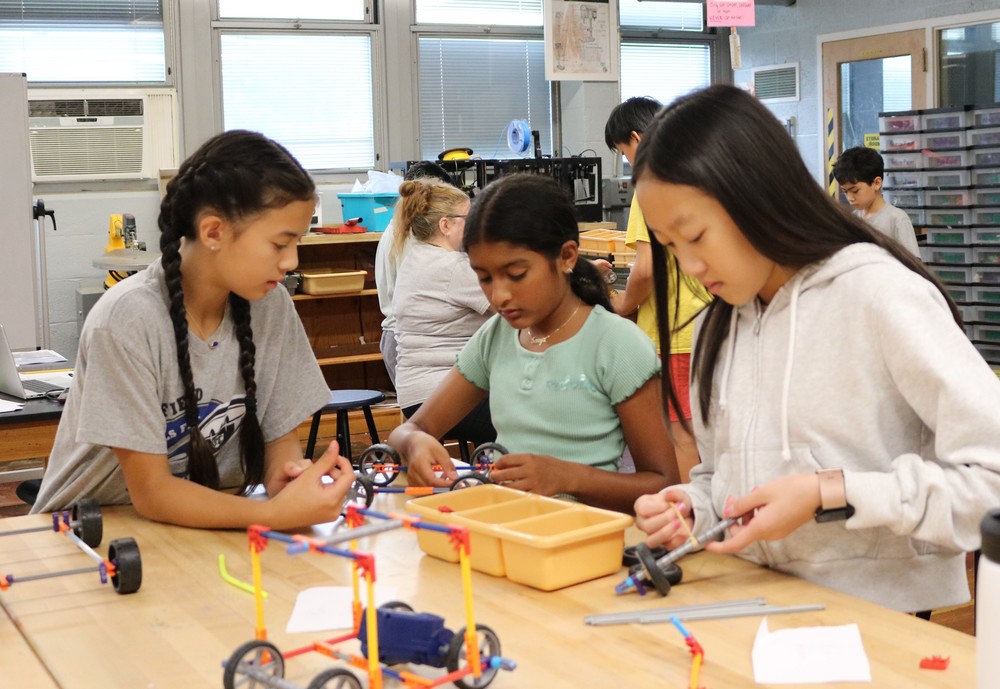
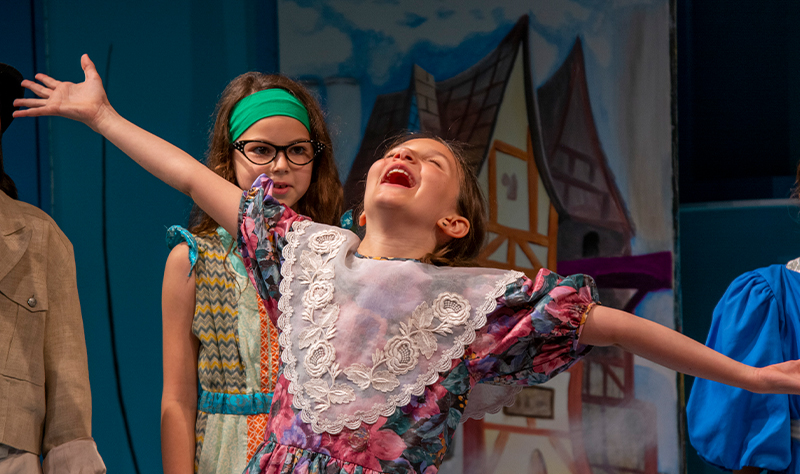
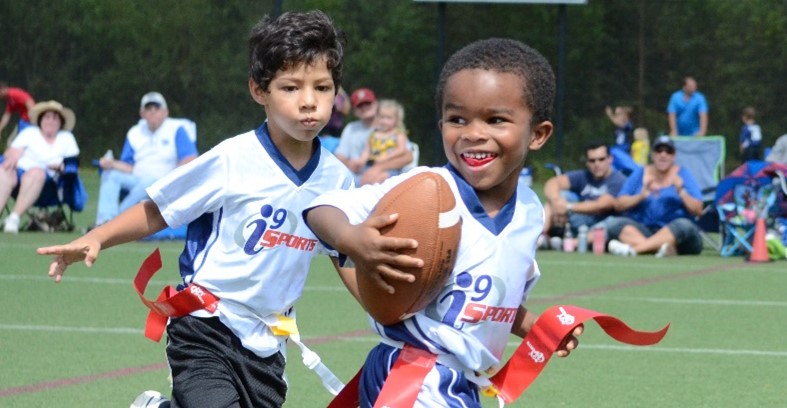
| Great activity types for ages 5–10: • Team sports: soccer, basketball, baseball/softball, flag football • Individual sports: gymnastics, swimming, tennis, martial arts • Creative arts: theater, dance technique, visual arts, instrument lessons • A second language and STEM/coding, robotics, science, math • Chess, cooking, scouting, and outdoor adventure |
Explore Elementary Activities Near You
Browse team sports, STEM, arts, and enrichment classes for ages 5–10 on Recess.
What Activities Should Tweens and Older Kids Be In? (Ages 10–12+)
| By ages 10–12, most kids are ready for complex sports involving strategy and teamwork, bigger instruments, and deeper investment in what they’ve chosen. It’s also when skills like public speaking and debate become a good fit, as abstract reasoning matures. Keep the emphasis on fun and skill-building over competition — and let them lead. |
What tweens are ready for:
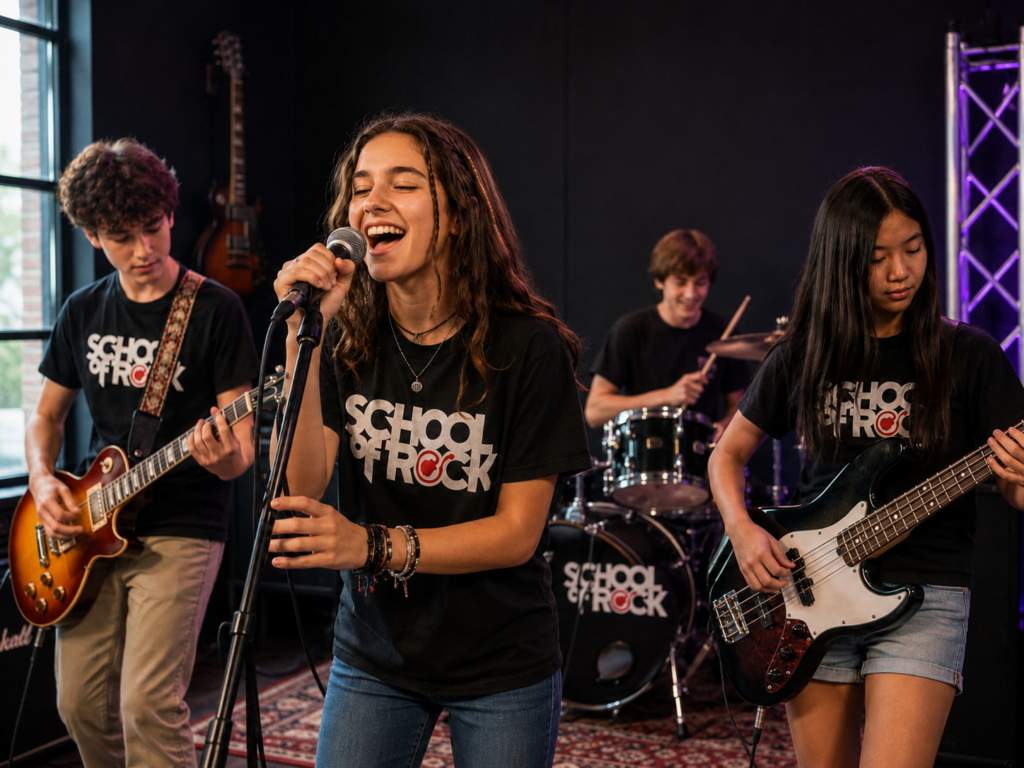
Developmentally, a lot opens up around now. Kids can handle sports that require real teamwork and strategy — though the AAP is clear the goal should still be skill and enjoyment over winning; most kids would rather play more on a losing team than sit on a winning one. In music, age 10 is often when they gain the strength for bigger instruments, and the goal shifts from exposure to genuine skill. And performance-and-argument activities — public speaking, debate, improv, film — start to land, because kids now have the abstract reasoning to build and defend an idea. It’s a natural time to go deeper into a chosen interest, whether a specialized camp, a competitive team, or a niche passion. Sources: AAP; PBS Kids.
How do I support my older child’s activity choices without pressure?
By this age, your job quietly shifts from picking their activities to backing the ones they pick. The tricky part is that pressure rarely announces itself — it slips in through small habits: signing them up for the thing you loved at their age, asking “did you win?” before “did you have fun?”, or treating a Saturday practice like a line on a future résumé. Kids feel all of it, even when we don’t say it out loud.
A few things that help:
• Give them a real say — including the power to say no, or to stop. When a kid pushes back on an activity, that’s information, not defiance.
• Ask about the experience, not the outcome. “What was the best part?” gets you further than “How’d you do?”
• Keep your own investment — the time, the money, the early mornings — separate from their enjoyment. It’s the hardest one, and the most important.
• Let the goal stay their spark, not your plan. The same thing Dr. Mona taught me about my toddler holds up at 10 and 12: watch what lights them up, and follow that.
Support looks less like steering and more like clearing the road.
What if my child wants to quit?
Have the conversation first. Ask:
- “Is this a hard day, or is this not your thing?”
- “What would make this better?”
- “Is there something else you’d rather try?”
Sometimes it’s a rough week. Sometimes it really isn’t their thing. Both answers are okay.


| Great activity types for ages 10–12+: • Deeper dives into existing interests (specialized camps, advanced classes) • Public speaking, debate, improv, and film • Leadership and community programs (student council, volunteering) • Competitive teams — if they want it • Entrepreneurship, coding, and academic enrichment or tutoring |
| What to skip for ages 10+: • Signing them up for what YOU loved at their age • Activities driven by college resume building (they’ll sense the pressure) • Programs where they have zero input into the decision • Overloading their schedule at the expense of downtime and friendships |
Explore Activities for Ages 10+
Browse specialized camps, niche programs, and enrichment on Recess.
Quick Reference: Best Activities by Age Group
| Age | What they’re ready for | Parent focus |
| Ages 1–4 | Swim (from ~age 1), music, second-language exposure, movement, art, intro tumbling — not organized sports yet | Notice what lights them up |
| Ages 5–10 | Simple organized sports, formal music, dance technique (8–10), chess (7–8), second language, STEM | Encourage variety; note what they mention unprompted |
| Ages 10–12+ | Complex sports and strategy, bigger instruments, public speaking and debate, niche and specialized programs | Let them lead; support their choices |
Frequently Asked Questions About Kids’ Activities
What age can my child start swim lessons?
| The AAP recommends swim lessons as a layer of drowning protection that can begin for many children around age 1, but not for babies under 12 months. By age 4, most children are ready for basic water-survival skills, and by 5–6 most can learn the front crawl. Drowning is a leading cause of death for children ages 1–4, so water competency matters early |
Source: AAP, Swim Lessons: When to Start.
What age can my child start playing sports?
Most children aren’t ready for organized team sports until around age 6, when they’ve developed the balance, coordination, and attention span the games require. Before that, focus on basic movement — running, swimming, tumbling, throwing, catching — through active play rather than structured teams.
Source: AAP, Is Your Child Ready for Sports?.
What’s the best age to learn a second language?
The earlier the better. Research points to a critical window from birth through the teen years, with the best chance at native-like fluency and accent-free pronunciation when children start before about age 10. Kids can keep learning grammar well into their late teens, but early exposure gives the strongest foundation — and bilingual children typically hit language milestones on a similar timeline to monolingual peers.
Source: MIT / Center for Brains, Minds & Machines.
What age should kids start music lessons?
It depends on your goal. Informal music — singing, dancing, musical games — can start in infancy. Parent-child classes suit age 3, and most children are ready for formal instrument lessons (often piano or violin) by about age 5. Bigger instruments like brass or larger strings usually wait until around age 10.
Source: PBS Kids.
What age should a child start chess?
Most kids are cognitively ready around age 7–8, when they can handle abstract rules, turn-taking, and thinking a step ahead. Playful introductions work as early as 5–6. Readiness signals — a 15–20 minute attention span, comfort with rules, and the patience to sit with a tricky problem — matter more than the exact age.
Source: WorldChess.
What age can my child start dance?
Creative-movement and pre-ballet classes suit ages 3–4 and focus on rhythm, coordination, and fun rather than technique. Formal, technique-driven dance training usually begins around ages 8–10, when children have the body awareness, focus, and physical maturity for it.
Source: Joffrey Ballet School.
How many activities should my child be in at one time?
Most experts suggest 1–2 structured activities per week for children under 10, and no more than 3 for older kids. The right number depends on temperament — some kids thrive on a full week, others need more downtime. Watch for burnout signs like irritability, reluctance, or fatigue, and adjust
Is it better to specialize early or try lots of activities?
For the vast majority of children, variety beats early specialization. A diverse range of activities builds a wider skill set and protects against burnout, and pediatric guidance cautions against intensive single-sport focus before the mid-teens.
Source: Pathways.org; AAP.
Is it okay for my child to quit an activity?
Yes — quitting something that isn’t a good fit is healthy. The key is telling the difference between temporary discomfort (often worth pushing through) and genuine disinterest (worth honoring). A good approach: finish the current session or commitment, then reassess together.
How do I find activities for my child near me?
| Recess is a free kids’ activities marketplace helping families discover and book camps, classes, after-school programs, and enrichment activities. Currently live in Austin, Houston, and Dallas, and coming to a city near you soon. Read more about Recess here. |
Sources & Further Reading
All research cited in this article has been reviewed for accuracy. Links to primary sources are provided below:
1. AAP / HealthyChildren.org — Is Your Child Ready for Sports? — healthychildren.org
2. AAP / HealthyChildren.org — Swim Lessons: When to Start — healthychildren.org
3. MIT / Center for Brains, Minds & Machines — Critical Period for Learning Language — cbmm.mit.edu
4. PBS Kids — What’s the Right Age to Begin Music Lessons? — pbs.org/parents
5. Joffrey Ballet School — How and When to Start Ballet Training — joffreyballetschool.com
6. WorldChess — What’s the Best Age to Start Learning Chess? — worldchess.com
7. Pathways.org — Choosing Age-Appropriate Extracurricular Activities — pathways.org
8. AAP — Sports Specialization and Intensive Training (2016) — publications.aap.org
9. AAP — The Power of Play (2018, reaffirmed 2025) — publications.aap.org
Browse Activities by Age
Find classes, camps, and enrichment programs for your child on Recess — free to use for families.
Here’s to finding your kids spark!
Warmly,
Amy
Co-Founder & CEO, Recess
| P.S. Not sure where to start? We’re here for you every step of the way: reach out if you would like further guidance! Recess was built by parents, just like you. We know the juggling act all too well — the last-minute schedule changes, the endless searching, the hope of finding something your child will truly love. That’s why we exist. And it’s why there’s a real team behind this page, ready to help. |