Recess Roundtable with the National Inclusion Project: No Child Should Sit on the Sidelines
The National Inclusion Project began with a friendship. In the early 2000s, Clay Aiken was a college student at UNC-Charlotte pursuing a degree in special education when he met 13-year-old Michael, who had been diagnosed with autism. The bond they formed extended to Michael’s mother, Diane, and together, Clay and Diane discovered they shared more than just a connection to Michael – they shared a vision.
Time and again, they had witnessed children with disabilities being turned away or excluded from activities and programs open to children without disabilities. They believed deeply and fiercely that we as a society could do better. They believed that with the right tools and training, EVERY program and organization could include ALL children – and in return, EVERYONE would benefit from that inclusion.
On July 28, 2003, Clay and Diane made it their mission to bring this vision to life, and the National Inclusion Project was born.
Since then, the Project has established itself as the leading voice for inclusion in youth programming. They’ve partnered with some of the country’s largest youth organizations and most prestigious educational institutions, developing cutting-edge inclusion models, training hundreds of industry leaders, and facilitating inclusive opportunities for over 15,000 children a year.
Today, we’re speaking with the National Inclusion Project, about what true inclusion looks like, why it matters, and how families and providers can work together to ensure no child has to sit on the sidelines.
The National Inclusion Project’s tagline is “Because no child should have to sit on the sidelines.” For parents who may not fully understand what inclusion means in the context of camps and activities, can you explain what true inclusion looks like – and why it matters so much?
Simply put, inclusion means ALL kids play! Inclusive camps, programs, games, and activities strive to maximize what each child CAN do instead of emphasizing what they can’t.
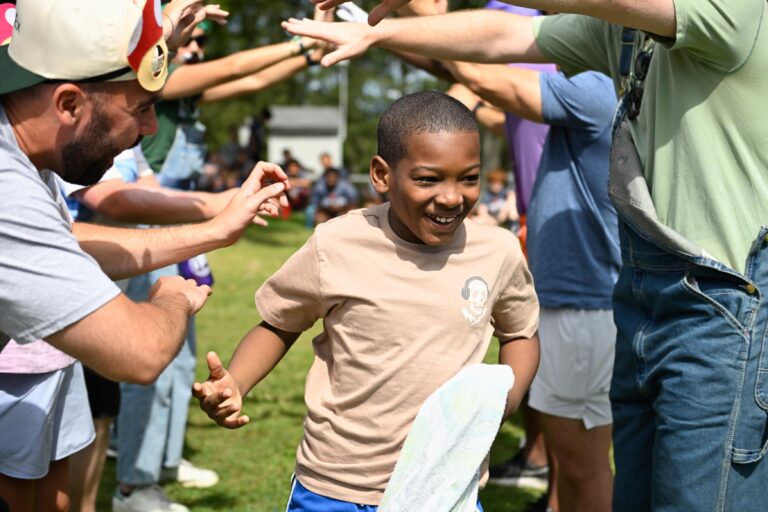
At the National Inclusion Project, we define inclusion as ensuring that all children have the same opportunities to engage in meaningful experiences and build meaningful relationships in recreation and community programs. Children of all abilities should play, laugh, discover, and learn together. That means participation, not just presence. It’s creating ways for kids with disabilities to play with their peers instead of just watching from the sidelines, and providing options to join in any activity instead of just certain activities.
NIP’s 3 core beliefs of inclusion are:
- Every child CAN participate.
- Every child CAN make a friend.
- Every child CAN succeed.
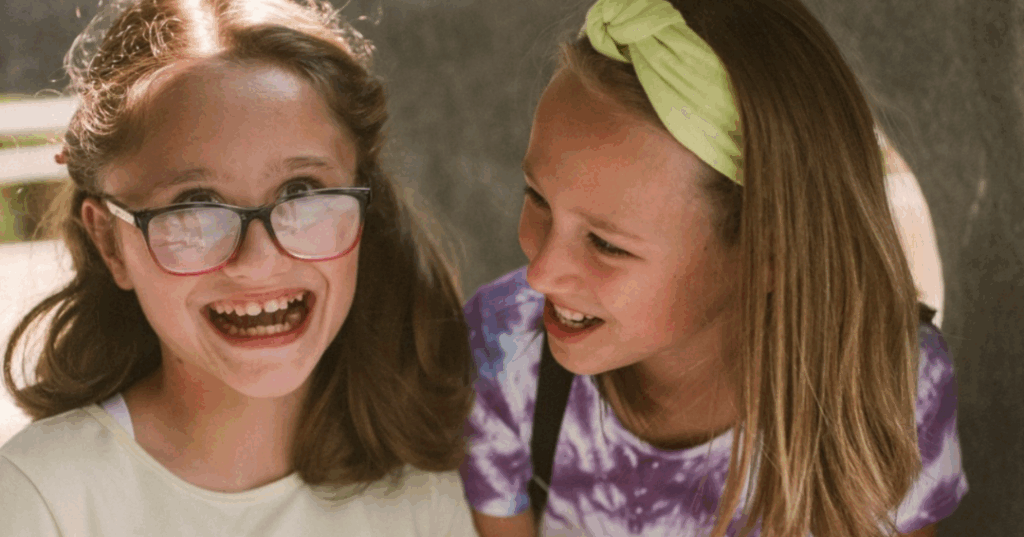
Many kids with disabilities spend most of their day “failing” at something academically, socially, or physically. When we create spaces where everyone belongs and everyone is supported, we actively build confidence, increase resilience, and spark friendships. Play is an equalizer and fun is universal. Laughter isn’t based on labels!
Many parents of children with disabilities tell us that finding summer camps and activities is incredibly difficult – either programs say they “can’t accommodate” their child, or the only options are isolated special needs programs, which may not be the right fit for every child or family. What becomes possible when programs are properly supported, and how families and providers can work together to find the best-fit environment?
What becomes possible? Childhood!
Research shows that inclusion is successful when people simply believe it is the right thing to do and that it is possible to achieve. It relies on mindset more than methodology. When one person exhibits kindness, acceptance, and welcoming, others follow suit.
Many organizational mission statements include the phrase “for all”. That’s not just an aspiration; it’s a call to action. When we work together to bring that mission to life, worlds connect, walls crumble, worries rest, and everyone wins. ALL kids get to be kids. Not “that kid” or “those kids”… just kids.
To help families find the right fit, we created the SUCCESSFUL Inclusive Program Checklist – a tool that helps parents ask key questions about a program’s inclusive practices and helps programs assess their own readiness. It guides conversations between families and staff about what true inclusion looks like in action.
Your research found that 85% of children in NIP-trained programs showed improvement in social skills, motor development, and self-esteem. Can you break down what that actually looks like? What specific changes do parents and staff observe?
Through intentional inclusion strategies, program staff report positive growth in children’s social skills, motor development, and self-esteem. We see kids initiating play with others, taking turns, engaging in social conversation with peers, and using words or visuals to express their needs and feelings. Physical health improves through sustained active play and participation in gross and fine motor activities.
Most importantly, children express a sense of belonging and greater self-esteem – volunteering for games, naming friends, confronting challenges and taking risks, celebrating each other’s accomplishments, calmly problem solving, and forming relationships that last beyond the camp or program.
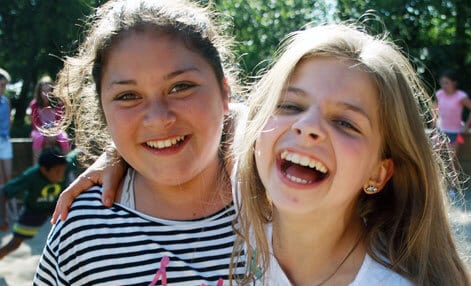
Parents and staff often describe the changes in deeply personal, everyday ways – not just developmental milestones, but meaningful shifts in how children experience the world around them.
Parents share things like:
- “My child is excited to go now.”
- “We have more spontaneous conversation at home about friends and activities.”
- “She has more confidence, says ‘I can do it’, and wants to show off.”
- “He was invited to his first playdate ever! I cried happy tears.”
Staff report things like:
- More self-confidence in approaching others and initiating play
- Improved turn-taking and participation in group games
- Greater willingness to attempt challenging or disliked tasks
- More relaxed and natural interactions among peers
Many staff also note important benefits for all children – improved communication, empathy, and collaboration across the board, not just for those with disabilities.
NIP trains camps and recreation programs to serve a broader and more diverse range of children. What does that training actually involve? What changes when a program goes through your accreditation process?
All NIP services, trainings, resources, and supports are grounded in the Standards for Inclusive Recreation Programs. The Standards were created in partnership with the Center for Social Development and Education at UMass Boston, industry experts, researchers, practitioners, families, and advocates. They serve as an educational guide to best inclusive practices for serving individuals with a wide range of abilities.
Training:
NIP offers inclusion education and professional development for camps, afterschool programs, parks departments, community centers, athletics, childcare centers, and more. Large or small groups. Virtually or in person. Online courses or in-seat seminars. For novices or experts.
Inclusion is individualized, so our trainings are too. Each is tailored to meet program and participant goals. All trainings are highly interactive and engaging so every staff member feels equipped and empowered to include.
Accreditation:
NIP Accreditation is for any recreation program that serves children with and without disabilities, implements the Standards with fidelity and success, and is committed to ongoing improvement and growth.
The process honors the daily efforts that inclusive recreation programs make to create a culture that welcomes and supports all participants, regardless of ability level. For programs, Accreditation serves as a comprehensive assessment of their inclusiveness and offers a clearly defined methodology showing just how achievable inclusion really is.
For families, NIP’s seal of accreditation means they can trust that a program will not only welcome their child but also provide opportunities for full participation alongside all of their peers.
We know you don’t currently have NIP-accredited camps in Texas, but can you share about any Texas-based partners you work with – and what parents here can expect as inclusion efforts grow in the region?
We’ve been fortunate to partner with many Texas-based organizations and practitioners for professional development, staff trainings, long-term organizational partnerships, and our Inclusive Recreation Specialist Certificate program.
Some of our Texas partners include YMCAs (Fort Worth and Greater Houston), Childcare Group (Dallas), Jewish Community Centers, parks and recreation departments (Cities of Deer Park and Kyle), Educational Service Centers (Regions 13, 14, and 17), arts organizations like Art Spark TX, specialized centers like Scottish Rite for Children, health districts, childcare groups, and many more across the state.
Texas Council for Developmental Disabilities-Texas A&M AgriLife Extension Services have been especially phenomenal partners and resources for families navigating inclusive recreation options throughout the state.
We’re encouraged by the growing momentum toward inclusion across Texas and look forward to supporting more programs as they work to welcome all children.
When a parent is looking for an inclusive camp or after-school program, what questions should they be asking? What are the green flags that a program truly “gets it” versus just saying they’re inclusive?
You’re not just checking boxes when searching for a program – you’re advocating for your child to be included and empowered. That’s why we created the SUCCESSFUL Inclusive Program Checklist to help families ask bold questions, expect clear answers, and make informed choices.
The checklist guides you through key areas like staff training, communication, environment and accessibility, program design, and safety practices.
Green flags include programs that welcome your questions, speak openly about their experience and approach to inclusion, involve you in planning, and demonstrate a genuine belief that every child can participate and succeed.
Remember, success doesn’t look the same for every child. For some, it’s a terrific month, week, day, or moment. For others, it’s trying something new, making a friend, or simply feeling safe and accepted. There are no right or wrong decisions based on the answers to each question – there are just your decisions based on your child’s and your family’s needs.
Many camp counselors and activity providers want to be inclusive but feel nervous they don’t have the skills or knowledge. What would you say to a dance teacher or soccer coach who wants to welcome a child with disabilities but doesn’t know where to start?
Relax. There is no right way or wrong way to include someone (except to exclude them!). You don’t have to be an expert in disabilities to include. We serve people not diagnoses. Humans not labels. Children not categories. You ARE an expert in the human experience.
While it’s helpful to learn some useful strategies, it’s even more important to learn about the individuals you serve and support. Be open-minded, interested, empathetic, compassionate, aware, and curious. That lays the groundwork for inclusion.
When nervous about how to accommodate or what strategies to use, think about a time when you struggled. What or who helped you succeed? Now offer that support and be that person for your participants. Or think about a positive memory of camp, sports, school, hobbies, or friendships. What was it and how did you feel? Now create that and gift that to your participants.
Don’t complicate it. When something isn’t working, try something else. When someone is left out, welcome them in. When someone needs support, offer it. Be creative, adaptable, and flexible. Ask for adaptation or modification ideas from families and the kids themselves. More than anything, have fun and be fun. After all, that’s the whole point of recreation, isn’t it?
When in doubt, give yourself a “high five.” Do 1 thing to remove 1 barrier to empower 1 child during 1 activity to create 1 success. That’s inclusion!
Inclusion isn’t just beneficial for children with disabilities – it benefits everyone. Can you talk about what typically-developing children gain from inclusive environments? How does inclusion shape community, empathy, and belonging – without placing emotional labor on children with disabilities?
When children learn and play alongside peers who communicate, move, think, and interact differently, diversity becomes normal rather than exceptional. They naturally develop empathy, flexibility, respect, and cooperation skills.
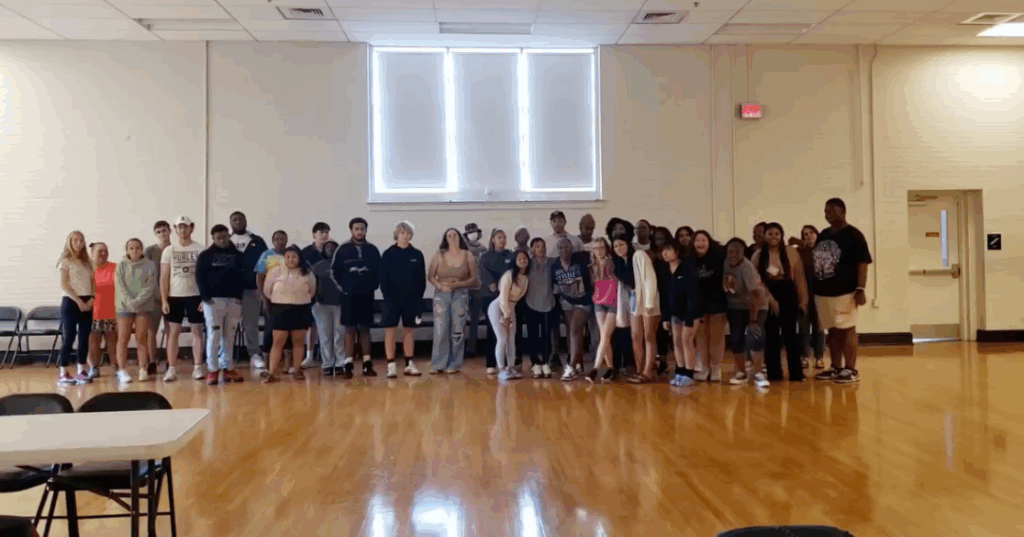
Friendship is mutual, not charitable. None of these benefits are fueled by specific disability awareness – they’re fueled by good human behavior. The golden rule applies across the board: treat others as you would like to be treated. These are life lessons that shape how we lead, advocate, and relate long into adulthood.
“Disability” covers such a wide range – from physical disabilities to learning differences to neurodivergence. How do inclusive programs adapt to serve children with very different needs? Is there a point where a child might need more specialized support?
Meaningful participation is the foundation of inclusivity. Activities should be proactively designed to support a diverse range of strengths and needs. Sometimes that might mean offering different materials, using different groupings, or providing different settings. All activities should offer multiple ways to connect and engage.
When planning and leading programs, staff should think about two key questions:
- How can I teach this activity in different ways to involve everyone?
- How can everyone do this activity in different ways to be involved?
Universal strategies include planning ahead with visual schedules and timers, staying flexible with sensory supports and choices for participation, and redefining success as individualized steps forward rather than one-size-fits-all achievements.
Yes, there will absolutely be times a child might need or want different types of accommodations or different levels of support, just like everyone else. Inclusion is not one answer or a singular option. It is a continuum of supports that vary based on context, strengths, and needs.
Collaboration and communication are essential. Families, staff, and the participants themselves should work together to decide on what works best – when, where, how, who, and why. Recreation is supposed to be fun. It’s supposed to bring joy. It’s supposed to boost the “well” in our “wellbeing.” If it’s not, change something or choose something that is.
How can families find NIP-trained or NIP-accredited programs in their area? What resources exist to help parents locate inclusive options, especially for families who might be new to navigating this?
Contact us! We’re happy to provide information and help make connections to the inclusive programs and practitioners who are part of the NIP network.
But we’ve also found that the best first step begins with “you.” What programs, camps, and experiences does your child want to participate in? What aligns with their interests and goals? What gels with your family’s schedule, needs, and location?
Reach out to those organizations. Tell them how excited your child is to attend. Talk. Ask questions. Share information. Be transparent. Collaborate. Expect the same in return.
Learn about the program, the staff, their accommodations, and disability experience. Listen and look for their inclusive mindset and belief. Encourage them to learn about your child and family. Try a program visit, trial day, or virtual tour. Ask for other family contacts, testimonials, and recommendations.
Use resources like Recess to explore what’s in your area – and don’t hesitate to advocate for the programs your child is genuinely excited about.
Looking ahead, what does success look like for the National Inclusion Project? What would need to change for inclusion to truly become the expectation, not the exception?
Don’t tell anyone, but success for NIP looks like no NIP! 😊
We dream of the day when inclusion is so natural, so typical, and so ingrained into everyday life that our services are no longer needed. Inclusion is not a “program”, a “position”, or a “department”. Inclusion just IS. Or at least it should be.
Our work will end when the word inclusion itself is obsolete because the world knows no other way.
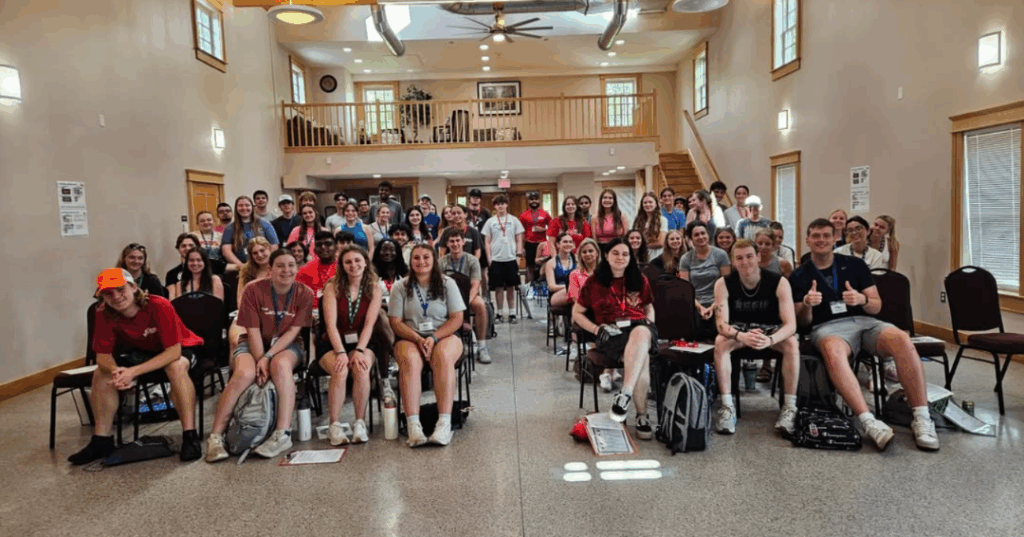
The National Inclusion Project proves that inclusion isn’t just possible – it’s transformative. When we believe that every child can participate, make a friend, and succeed, we create environments where all children thrive together.
As Dr. Kloo reminds us, recreation is supposed to bring joy and boost the “well” in our wellbeing. When camps, programs, and activities open their doors to all children, everyone benefits – not just kids with disabilities, but their peers, families, staff, and the entire community.
Ready to find inclusive programs for your family? Visit the National Inclusion Project at InclusionProject.org to access their SUCCESSFUL Inclusive Program Checklist, explore training resources, and connect with their network of inclusive practitioners.
And here in Texas, explore camps and activities on Recess – where every child deserves to play, discover, and belong.
Additional Resources from the National Inclusion Project
SUCCESSFUL Inclusive Program Checklist for Families A comprehensive guide to help families ask key questions when evaluating camps and programs. Use this checklist to advocate for your child, promote transparency with providers, and find the best-fit environment for your family’s needs.
The Standards for Inclusive Recreation Programs An educational tool that helps programs, staff, and families understand what effective disability inclusion looks like in practice. Each standard provides clear, measurable descriptions of best practices across all settings, ages, and ability levels.
Power in Friendship Toolkit for Families Making friends is hard for kids, but it can also be hard for families. This toolkit is designed for all families—with and without disabilities—to discover ways to help friendships grow and navigate the social development journey together.
NIP Services: Partnering with NIP Learn how the National Inclusion Project opens doors for young people with and without disabilities through training, tools, and support. NIP meets organizations and practitioners where they are on their inclusion journey to help implement quality inclusive programming.
Inclusive Recreation Program Accreditation Discover what NIP Accreditation means for programs and families, and how it serves as recognition that a program is intentionally and successfully serving individuals with and without disabilities.